AMD Ryzen 200 Series: Hawk Point Refresh for Budget Laptops
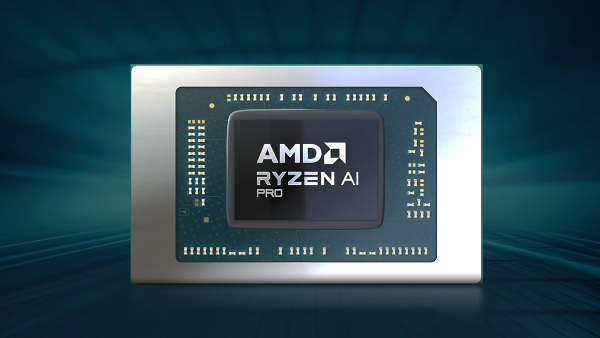
AMD is reportedly preparing a new Ryzen 200 Series of laptop APUs based on the existing Hawk Point platform. Rather than introducing a new CPU architecture, the lineup is expected to refresh existing Zen 4 designs for budget and mainstream notebooks.
The move would give AMD additional SKUs for lower-cost systems while allowing manufacturers to continue using an established APU platform.
🧩 Ryzen 200 Series Overview #
AMD’s mobile APU portfolio has evolved through several generations, with Phoenix and its subsequent Hawk Point refreshes providing a combination of CPU performance, integrated Radeon graphics, and dedicated AI acceleration.
Hawk Point builds on the Zen 4 architecture and adds an NPU capable of up to 16 TOPS of AI performance on supported configurations.
The reported Ryzen 200 Series appears to continue that strategy rather than introduce a fundamentally new architecture.
🔍 What’s New in Ryzen 200 #
According to leaked information, AMD plans to introduce Hawk Point-based processors under the Ryzen 200 naming scheme.
The refresh is expected to retain Zen 4 CPU cores and much of the existing hardware configuration. The primary change would therefore be the product positioning and SKU lineup rather than a major architectural redesign.
Two models have been mentioned in the leaks:
| Model | Reported Relationship | Architecture |
|---|---|---|
| Ryzen 7 255H | Potential successor to Ryzen 7 8745HS | Zen 4 / Hawk Point |
| Ryzen 7 265H | Potential successor to Ryzen 7 8845HS | Zen 4 / Hawk Point |
These specifications and product relationships were based on leaked information and should not be treated as AMD-confirmed final specifications.
Ryzen 7 255H #
The Ryzen 7 255H was reportedly positioned as a refreshed version of the Ryzen 7 8745HS.
If the reported configuration is accurate, the processor would target mainstream notebooks where manufacturers want a relatively capable Zen 4 APU without moving to AMD’s newer Ryzen AI 300 platform.
Ryzen 7 265H #
The Ryzen 7 265H was similarly reported as a successor or refresh of the Ryzen 7 8845HS.
This positioning would place the chip toward the higher end of the refreshed Ryzen 200 mobile lineup while retaining the underlying Hawk Point architecture.
⚙️ Zen 4 Architecture and AI Features #
The Ryzen 200 Series is not expected to deliver the type of performance improvement normally associated with a new CPU generation.
Instead, the platform should retain the core characteristics of Hawk Point:
- Zen 4 CPU architecture
- Integrated Radeon graphics
- Dedicated XDNA-based NPU
- Laptop-oriented power management
- Support for modern memory and connectivity platforms
Core counts and integrated GPU configurations were expected to remain broadly unchanged.
The main potential improvement would therefore come from product tuning, firmware, power-management adjustments, or positioning rather than a major architectural increase in CPU performance.
AI Inference Capability #
Hawk Point’s dedicated NPU provides up to 16 TOPS of AI processing capability on supported processors.
This is below the capabilities of AMD’s newer Ryzen AI 300 generation, which introduced a substantially more powerful XDNA 2 NPU.
As a result, the Ryzen 200 Series would occupy an intermediate position: newer than AMD’s conventional non-NPU mobile offerings while remaining below the performance level of the latest Ryzen AI platforms.
💻 Target Devices and Workloads #
The Ryzen 200 Series appears aimed at systems where manufacturers need a balance between performance, power consumption, and platform cost.
Potential target products include:
- Budget and mainstream laptops
- Thin-and-light notebooks
- Mini PCs
- Compact desktop systems
- Entry-level gaming devices
- Handheld gaming platforms
The underlying Hawk Point platform already provides a relatively complete CPU, GPU, and NPU combination, allowing manufacturers to build systems without adopting a completely new silicon platform.
Why a Refresh Makes Sense #
A refresh can be useful when a manufacturer wants to extend an existing platform across a wider range of products.
For AMD, reusing Hawk Point could provide:
- Lower platform transition costs
- Broader SKU coverage
- Established motherboard and firmware support
- Existing driver maturity
- Familiar thermal and power characteristics for OEMs
For laptop manufacturers, this can simplify product development while still providing access to modern CPU and AI features.
📊 Ryzen 200 vs. Newer Ryzen AI Platforms #
The Ryzen 200 Series should not be confused with AMD’s newer Ryzen AI 300 generation.
| Feature | Ryzen 200 / Hawk Point | Ryzen AI 300 |
|---|---|---|
| CPU Architecture | Zen 4 | Zen 5 |
| NPU Generation | XDNA | XDNA 2 |
| AI Performance | Up to 16 TOPS | Significantly higher on supported models |
| Integrated Graphics | Radeon-based | RDNA 3.5 |
| Positioning | Budget to mainstream | Premium AI PC |
| Architectural Change | Refresh | New generation |
This distinction is important because the Ryzen 200 Series is primarily a platform refresh, not a replacement for AMD’s latest high-end mobile architecture.
🎯 Market Positioning #
The new naming scheme could allow AMD to cover price points that sit between older Ryzen mobile products and the newer Ryzen AI lineup.
For consumers, this could translate into more choices among laptops offering:
- Modern Zen 4 CPU performance
- Integrated Radeon graphics
- Dedicated AI acceleration
- Competitive power efficiency
- Lower platform costs than newer flagship AI processors
For OEMs, the main attraction is likely the ability to reuse an established Hawk Point platform while introducing refreshed product names and configurations.
🗓️ Expected Launch Timing #
The Ryzen 200 Series was expected to debut later in 2024 based on the leaked roadmap and product information available at the time.
The reported timing placed the lineup alongside Intel’s own mobile processor refreshes, increasing competition in the mainstream notebook market.
However, launch schedules, final model numbers, specifications, and availability can change before an official product announcement.
🔮 What the Hawk Point Refresh Means #
The Ryzen 200 Series represents a different strategy from AMD’s major architectural launches.
Instead of moving immediately to a new CPU design, AMD can extend an existing Zen 4 platform into additional market segments. This allows Hawk Point to remain relevant in systems where manufacturers prioritize platform maturity, efficiency, and cost.
The reported Ryzen 7 255H and Ryzen 7 265H would expand this approach into additional performance tiers, although their exact specifications and positioning require confirmation from AMD.
🏁 Final Takeaway #
AMD’s reported Ryzen 200 Series is best understood as a Hawk Point refresh rather than a new CPU generation.
The lineup is expected to retain Zen 4 architecture, integrated Radeon graphics, and Hawk Point’s NPU capabilities while introducing refreshed model numbers for budget and mainstream systems.
For AMD, the approach provides another way to extend an established mobile platform. For laptop manufacturers, it offers a familiar hardware foundation with modern CPU and AI capabilities.
The key difference is positioning: Ryzen 200 is intended to broaden AMD’s mainstream mobile portfolio, while Ryzen AI 300 represents the newer Zen 5 and XDNA 2 platform.