Intel Reportedly Revives Older CPU Generations to Boost Affordable DDR4 PC Builds
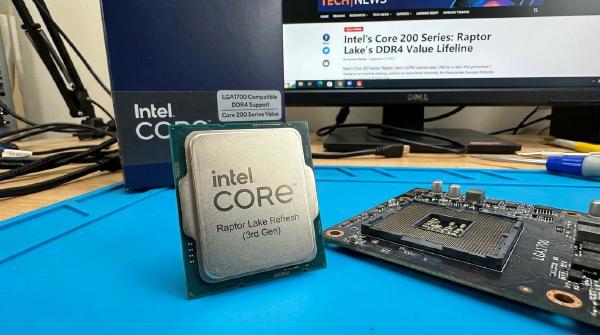
Intel is reportedly preparing to resume shipments of several previous-generation desktop processors in Mainland China, a move that could significantly improve the value proposition of DDR4-based PC builds as DDR5 memory prices remain elevated.
According to supply chain reports, the company plans to restore availability for select 10th Gen Comet Lake, 12th Gen Alder Lake, and 13th/14th Gen Raptor Lake processors. The move coincides with motherboard manufacturers restarting production of DDR4-compatible boards, providing budget-conscious consumers with additional platform choices.
If accurate, the strategy would allow Intel to continue serving entry-level and mainstream PC builders while newer CPU architectures enter the market.
🖥️ Intel Expands Availability of Legacy CPU Platforms #
According to reports from industry sources, Intel intends to reintroduce several older processor families into the Mainland China market.
The reported lineup includes:
- 10th Gen Comet Lake
- 12th Gen Alder Lake
- 13th Gen Raptor Lake
- 14th Gen Raptor Lake Refresh
This development follows recent reports that motherboard vendors have resumed manufacturing DDR4-based motherboards after reducing production earlier in the platform transition.
For PC builders, a wider selection of compatible processors could provide greater flexibility across different budgets without requiring migration to the latest DDR5-only ecosystem.
At the time of writing, Intel has not officially confirmed shipment schedules, production volumes, or regional availability.
💾 Rising DDR5 Prices Renew Interest in DDR4 #
One of the primary drivers behind the renewed focus on DDR4 is the continued increase in DDR5 memory pricing.
Industry reports indicate that DDR5 modules have risen substantially in price compared with previous market lows, making entry-level DDR5 systems considerably more expensive than many consumers anticipated.
As component costs increase, DDR4 once again becomes an attractive option for several market segments, including:
- Budget gaming PCs
- Home office systems
- Student computers
- General productivity desktops
- Entry-level content creation workstations
By pairing older Intel processors with mature DDR4 motherboards and memory kits, builders can significantly reduce overall platform costs while still achieving solid everyday performance.
⚙️ Older CPUs Continue to Offer Practical Performance #
Although Intel’s latest processor generations deliver notable architectural improvements, previous-generation CPUs remain highly capable for a wide variety of workloads.
The reported processor lineup spans multiple performance tiers.
Entry-Level Systems #
Suitable for:
- Office productivity
- Web browsing
- Media consumption
- Online education
Mainstream Gaming #
Mid-range processors from the Alder Lake and Raptor Lake families continue to provide competitive gaming performance when paired with modern graphics cards.
Content Creation #
Higher-end Core i7 and Core i9 models remain capable options for:
- Photo editing
- Video editing
- Software development
- Multitasking
- Streaming
For many users, platform cost rather than absolute peak performance remains the deciding factor.
🔄 DDR4 Platform Gains a Longer Lifespan #
The reported return of older Intel CPUs aligns closely with renewed motherboard production.
This combination improves the long-term viability of DDR4 ecosystems by increasing component availability across multiple product categories.
Benefits for consumers include:
- Greater motherboard availability
- Lower memory costs
- Expanded CPU choices
- Reduced total system cost
- Easier future maintenance and upgrades
Rather than forcing every buyer onto premium DDR5 hardware, the market would continue offering multiple platform options suited to different budgets.
🚀 Intel’s New and Existing Product Lines May Coexist #
Intel is also expected to continue introducing new processor families while maintaining support for existing platforms.
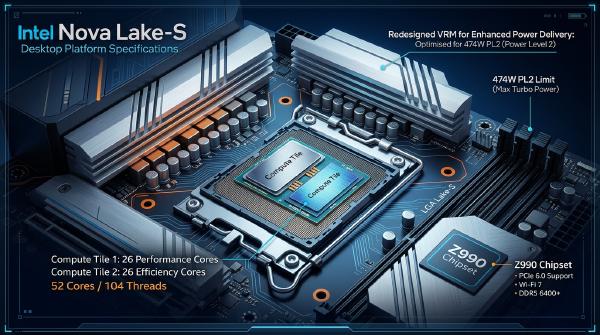
Reports suggest upcoming Raptor Lake NEXT processors will launch alongside future Nova Lake products, allowing Intel to address multiple market segments simultaneously.
This multi-platform strategy could enable:
- Budget systems based on mature DDR4 platforms
- Mainstream users upgrading incrementally
- Enthusiasts adopting next-generation architectures
Maintaining several active product families also gives system integrators and OEMs additional flexibility when designing systems for different price points.
📱 Early Details on Raptor Lake NEXT #
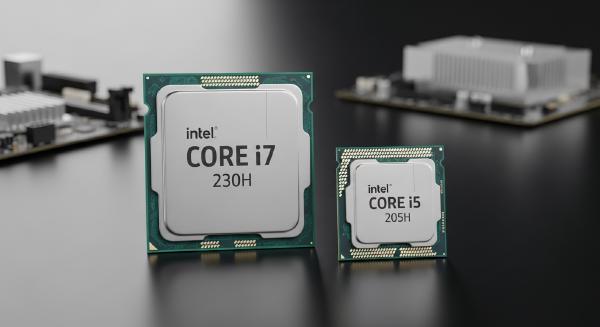
Current supply chain information suggests Intel’s upcoming Raptor Lake NEXT lineup will receive several product positioning adjustments.
Reported changes include:
Mobile Processors #
- Core 5 models may be discontinued.
- Core 7 and Core 9 SKUs are expected to remain.
- Core configurations are reportedly similar to current 14th Gen HX processors.
Desktop Processors #
The desktop lineup is expected to include:
- Core 3
- Core 5
- Core 7
Reports also indicate configurations with up to 20 CPU cores, although Intel has not officially disclosed detailed specifications.
Final clock speeds, cache configurations, power limits, and pricing remain unknown.
💰 What This Means for PC Builders #
If these reports prove accurate, consumers will have additional flexibility when selecting a new desktop platform.
For buyers focused on maximizing value, a mature DDR4 platform may offer several advantages:
- Lower motherboard prices
- More affordable memory
- Proven platform stability
- Broad compatibility
- Competitive real-world performance
On the other hand, users planning long-term flagship builds may still benefit from waiting for Intel’s next-generation products before making a purchasing decision.
Upcoming platforms are expected to deliver improvements in:
- Processing performance
- Platform features
- Memory bandwidth
- AI acceleration
- Power efficiency
The optimal choice will ultimately depend on workload requirements, upgrade plans, and total system budget.
📊 Outlook #
Intel’s reported decision to continue supplying multiple processor generations illustrates a pragmatic response to current market conditions rather than a simple extension of legacy products.
With DDR5 memory prices remaining elevated, maintaining a healthy DDR4 ecosystem provides consumers with an affordable alternative while allowing Intel to continue serving entry-level and mainstream markets.
At the same time, the company appears committed to advancing its next-generation desktop roadmap through products such as Raptor Lake NEXT and Nova Lake, creating a broader portfolio that spans value-oriented systems through enthusiast-class PCs.
Until Intel officially announces product availability, pricing, and regional rollout plans, prospective buyers should treat current reports as preliminary and rely on official announcements before making purchasing decisions.